

Platformer Games
Discover ready-made platformer game source code at Source Plunge. Get clean Unity C# projects with jumping, running, and coin-collecting mechanics already built. Fully customizable 2D and 3D templates for Android, iOS, WebGL, and HTML5, perfect for developers who want to reskin, launch, and grow fast.




About Platformer Games
Ever played a game where you jump from one platform to the next, dodge obstacles, and grab coins along the way? That's a platformer, and it's one of the oldest, most loved game styles out there. Building one from a blank Unity project takes real time, though, especially when it comes to getting the jump feel and moving platforms working smoothly.
That's the gap this category fills. Here you'll find pre-built platformer projects covering both 2D and 3D styles, with the running, jumping, and collecting already wired up inside a working Unity build. You open the project, and the core movement is already doing its job.
What Is Platformer Game Source Code?
Platformer game source code is the full Unity package behind a jump-and-run style game. Inside, you'll find the scripts that control movement, the scenes where levels are laid out, prefabs for platforms and collectibles, and a working scoring or coin system already in place.
Rather than coding jump physics, one-way platforms, or moving platform logic from the start, you get a project that already runs. From there, the usual next step is to change the assets, replace the graphics, add new levels, or tune the difficulty so it feels like your own game.
Most buyers pick this route because platformer movement is trickier to get right than it looks. A jump that feels floaty or platforms that don't line up properly can ruin the whole experience, so starting from a build where that part already works saves a lot of trial and error.
Key Features of Our Unity Platformer Games
- Pre-built Unity project: the movement, jumping, and level logic are already functioning.
- Clean C# code: scripts are structured and easy to follow, even for less experienced developers.
- 2D and 3D options: pick a flat side-view style or a fuller 3D running format.
- Moving and one-way platforms: common platformer mechanics already scripted in.
- Coin and collectible systems: scoring logic built directly into the gameplay.
- Cross-platform builds: export to Android, iOS, WebGL, and HTML5.
- Customizable assets: swap characters, backgrounds, and level art without breaking the code.
- Development-ready structure: scenes and prefabs are organized, not scattered across random folders.
- Affordable pricing: a working project for far less than building one from the ground up.
- Instant download: get the files right after purchase and start testing the same day.
Top Platformer Games in This Collection On Source Plunge
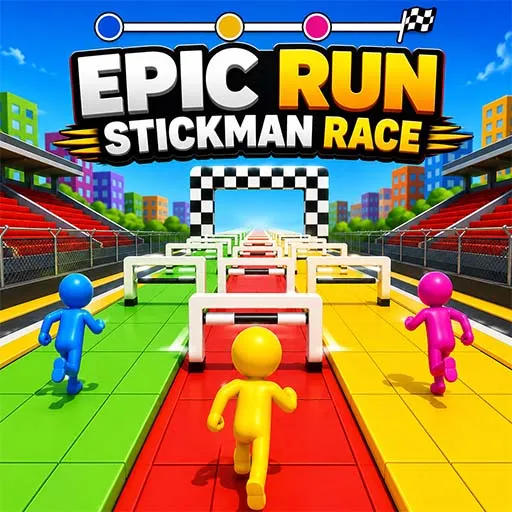
- Epic Run Stickman Race 3D Game: Race a stickman character through a fast-moving 3D obstacle course.
- Ryan Space Run: Run and jump through a space-themed track packed with obstacles.
- Ninja Night Runner: Sprint through a shadowy world as a ninja dodging traps at speed.
- Crazy Cube Jump: Hop between shifting cube platforms without missing a step.
- Ball Hop Music Game: Bounce a ball across platforms in time with the music beat.
- Eddi Adventure Fun Platform Game: Guide Eddi through a lighthearted adventure full of jumps and levels.
- Cyrus Bean Jump: Jump Cyrus from platform to platform while collecting rewards along the way.
Platforms Supported
Most platformer projects here are built to support more than one release option:
- Android: build and publish directly to Google Play.
- iOS: package and submit through the Apple App Store.
- WebGL: let players jump straight into the game from a browser, no download required.
- HTML5: a lighter export suited to websites and instant-play arcade portals.
Build settings can vary slightly from one project to another, so it's worth checking the platform notes on each product page before you commit to a purchase.
Who Should Buy Platformer Game Source Code?
A few different types of buyers tend to land in this category:
- New Unity learners who want to study how jump physics, moving platforms, and collectibles actually work inside a finished build.
- Indie developers looking for a dependable running or jumping base to reskin into their own themed release.
- Freelancers and small agencies who need a solid platformer foundation to deliver a client project on time.
- Hobby creators who grew up on this genre and want to build their own version to share with friends.
- Publishers testing new ideas who want a low-cost way to try out a platformer concept before a bigger investment.
Monetization: How Developers Make Money From These Games
Platformer games are built around short, replayable runs, which naturally supports a few income methods:
- In-app ads: shown after a failed run, between levels, or offered in exchange for a second chance.
- In-app purchases: new skins, characters, or power-ups sold inside the game.
- Reskin and relaunch: one running or jumping base turned into several titles just by changing the theme and characters.
- Extra level packs: additional stages sold as add-on content once the base game is live.
- Client projects: the same core build reused to deliver a custom-themed platformer for a paying client.
Since the jump and movement mechanics are already handled, most of the extra effort goes into level design, character variety, and small rewards that keep players coming back for one more attempt.
Licensing and Usage Rights
Before buying a platformer project, it's worth knowing exactly what the license permits. Every listing on Source Plunge lists its own terms, so check for:
- Whether commercial publishing on Google Play or the App Store is allowed.
- Whether the license covers one release or several releases built from the same base.
- Whether reselling or sharing the raw project files is permitted.
- Whether crediting the original creator is required inside your published version.
This is worth paying close attention to in this genre, since reskinning one running or jumping base into multiple themed releases is a very common practice. Confirming license terms early helps you avoid problems after your game is already out.
How to Buy and Use Platformer Game Source Code?
Picking up a platformer project here follows a simple path:
- Browse the platformer category and find a build that fits your idea.
- Check the product page for platform support, mechanics, and included files.
- Purchase securely through checkout.
- Download the complete Unity project right after payment.
- Open it in Unity and test the jump and movement mechanics yourself.
- Customize the art, characters, or level layout to fit your vision.
- Export builds for Android, iOS, WebGL, or HTML5.
- Publish the finished game to your chosen store or platform.
Why Buy From Source Plunge?
- Dedicated Game Source Code Marketplace: Source Plunge is a dedicated marketplace focused on game source code and ready-made game projects.
- Live Chat Support: Get quick help with your questions before or after buying.
- Live Preview: Check the game using the Live Preview button before you purchase.
- Large Game Collection: Explore many ready-made games across different categories.
- Different Game Categories: Find racing, platformer, action, arcade, RPG, sports, simulation, and more.
- Ready-Made Projects: Save development time with pre-built game projects.
- Customizable Source Code: Edit, reskin, and customize suitable projects for your needs.
- More Choices: Compare different game source code projects in one dedicated marketplace.
FAQ's
Yes, the core running, jumping, and platform logic is already built and tested, so you're not coding that part from scratch.
Yes, you're free to replace the graphics, characters, and backgrounds once you own the project, as long as it fits the license terms on the product page.
Not really. Basic Unity knowledge is usually enough, since the scripts and scenes are already organized and labeled clearly.
Yes, our team can help if you run into issues opening or building a project after purchase.
In many cases, yes, but this depends on the license attached to that specific project, so always check before reusing a base across multiple titles.